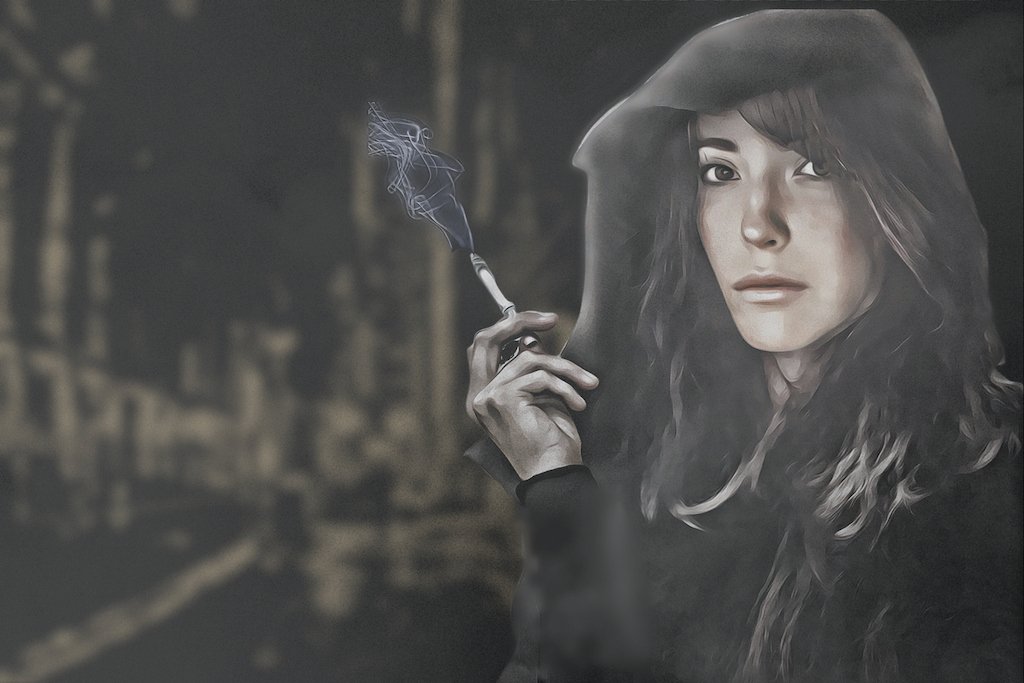
Smoking Girl: Fiction from our Archives
Every morning at 3:30 a.m., the Smoking Girl joined Cliff for a cigarette break in front of the office building. Then she disappeared, and Cliff’s troubles worsened.

Every morning at 3:30 a.m., the Smoking Girl joined Cliff for a cigarette break in front of the office building. Then she disappeared, and Cliff’s troubles worsened.

In this warm and insightful conversation, poet David Groff speaks with writer Tracy Rybacki about the way poetry can help us face loss and keep growing.

In these two poems, acclaimed poet David Groff reflects on the quiet wisdom found in nature and the complexity of memory.

Let me catch you up on what you missed at this morning’s productive meeting.

What begins as a hopeful submission to The New Yorker turns into a darkly comic meditation on loneliness, loss, obsession and the delusions of authorship.

First published in 1930, Slaves of the Dust is a classic pulp-era science fiction tale of hubris and horror in the heart of the Amazon, where a mad scientist dares to play god. As his grotesque experiments spiral toward the annihilation of all life, one man must act before humanity itself becomes nothing but silver dust.

When the scarred Captain Fazakerley returns from the Northern Regions, he brings with him tales of ice bears and dangerous expeditions, and an unsettling proposition. His visit stirs old desires and hidden tensions, leaving Phoebe, Lindsay and Sukey caught in a web of loyalty, temptation and secrecy.

Is Srithnam my “married name” or just my name, and do I still have a right to use it, now that I am no longer married?

Once hailed by dozens as a cult genius and derided by critics as the worst filmmaker in history, Dederico Felloni’s bizarre life and films defy belief. This two-volume “definitive” biography drags him from obscurity with equal parts obsession, absurdity and sheer narrative chaos.

AI-generated erotica promises pleasure without harm, but could it also deepen our isolation and create a new and dangerous addiction? As synthetic fantasies become more lifelike, the ethical line begins to blur.